


Roman Shades vs Roller Shades: Which Is Better for Your Home?
If you're deciding between roman vs roller shades, the better choice depends on your priorities. Roman shades for windows are ideal if you value softness, texture, and a decorative appearance, while roller window shades are a better fit for homeowners seeking a clean, modern look with simple operation and easy maintenance. Both options provide effective privacy and light control, but they excel in different situations. Understanding their differences will help you invest in window treatments that match your home's style, functionality, and long-term needs.
Window coverings do much more than complete a room's appearance. According to the U.S. Department of Energy, properly selected and installed window treatments can reduce unwanted solar heat gain in summer and improve insulation during colder months, contributing to greater energy efficiency. Interior designers also recognize window treatments as one of the key finishing elements that influence comfort, privacy, and overall interior aesthetics.
These factors make choosing between roman shades for windows and roller window shades an important decision rather than simply a decorative one.
Roman Shades vs Roller Shades: Key Differences Explained
When comparing roman vs roller shades, the biggest difference lies in how they are constructed and how they look once installed.
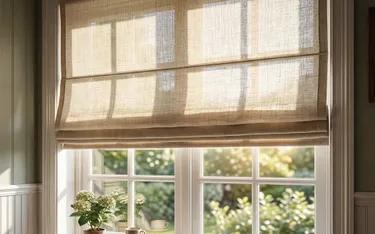
Roman shades are made from fabric that folds into neat horizontal pleats when raised. Instead of rolling around a tube, the fabric stacks elegantly, creating a layered appearance that adds warmth and texture to a room.
Roller window shades use a single continuous fabric panel that rolls around a tube at the top of the window. When fully lowered, they create a smooth, flat surface with clean lines, making them particularly popular in contemporary interiors.
| Feature | Roman Shades | Roller Shades |
|---|---|---|
| Appearance | Soft folded fabric | Flat minimalist fabric |
| Style | Traditional, transitional, luxury | Modern, minimalist |
| Operation | Fold upward into pleats | Roll onto tube |
| Fabric Options | Decorative textiles | Decorative and technical fabrics |
| Maintenance | Moderate | Easy |
| Best For | Living rooms, bedrooms | Kitchens, offices, bathrooms |
Neither option is objectively superior. Instead, each serves different design goals and practical needs.
Fabric Roman Shades vs Minimal Roller Window Shades
The most noticeable distinction between roman shades for windows and roller window shades is their visual impact.
Roman shades naturally become part of the room's décor. Their folded fabric introduces softness that balances hard architectural lines such as walls, flooring, and furniture. Available in linen, cotton, textured weaves, jacquard, and blackout fabrics, roman shades can complement classic, farmhouse, Scandinavian, or transitional interiors.
Many homeowners also appreciate that fabric choices allow greater customization. Neutral linens create a relaxed atmosphere, while patterned fabrics become decorative focal points.
By contrast, roller window shades prioritize simplicity. Their streamlined profile makes windows appear uncluttered, which is why they are commonly selected for modern apartments, minimalist homes, and commercial spaces.
Today's roller window shades are also available in various openness factors, solar screen fabrics, blackout materials, and moisture-resistant textiles, making them more versatile than many people expect.
If your goal is visual warmth and decorative appeal, roman shades for windows generally have the advantage. If your priority is creating clean architectural lines, roller window shades usually deliver a more contemporary result.
Light Control Comparison Between Roman and Roller Shades
Light management is often one of the biggest deciding factors when choosing roman vs roller shades.
Both products are available with different fabric opacities, but their performance depends on construction as well as material.
Roman shades provide excellent room darkening when paired with blackout fabrics and quality lining. However, because folded fabric naturally creates small gaps along the sides, complete blackout performance depends on precise installation.
Roller window shades also come in light-filtering and blackout options. Their flat construction often creates a more uniform barrier across the window, especially when paired with side channels or cassette systems in dedicated blackout installations.
When comparing everyday light control, consider the following:
- Light-filtering roman shades soften harsh sunlight while preserving a warm, inviting atmosphere.
- Blackout roman shades work well for bedrooms and media rooms where reduced light is important.
- Solar roller window shades reduce glare while maintaining outdoor visibility during the day.
- Blackout roller window shades provide effective privacy and are popular in bedrooms, nurseries, and home theaters.
Privacy performance is also excellent for both styles, provided the appropriate fabric is selected.
Maintenance and Durability of Both Shade Types
Maintenance requirements can significantly influence long-term satisfaction, especially in busy households.
Roman shades contain multiple fabric folds and internal cords or lifting mechanisms. While these components are designed for regular use, the folded construction naturally collects more dust over time. Routine vacuuming with a soft brush attachment and occasional spot cleaning help maintain their appearance.
Roller window shades are generally easier to maintain because their flat surface accumulates less dust and is easier to wipe clean. Moisture-resistant fabrics also make them suitable for kitchens and bathrooms where humidity is higher.
From a durability perspective, both products can provide many years of service when manufactured with quality hardware and fabrics.
Factors affecting lifespan include:
- Frequency of daily operation
- Exposure to direct sunlight
- Fabric quality
- Hardware construction
- Proper installation
- Routine maintenance
Industry experience shows that high-quality window shades often last between 7 and 15 years, although actual longevity varies depending on usage and environmental conditions.
Best Room Use Cases for Roman Shades and Roller Shades
Different rooms have different functional priorities, so the choice between roman vs roller shades often depends on how the space is used. While both styles are versatile, each excels in specific environments based on aesthetics, light control, and maintenance requirements.
Where Roman Shades Work Best
Roman shades for windows are an excellent choice for rooms where comfort and visual appeal are equally important. Their soft fabric folds add texture and depth, helping create a warm and inviting atmosphere.
They are particularly suitable for:
- Living rooms, where decorative fabrics complement furniture and interior décor while providing adjustable privacy.
- Bedrooms, especially when paired with blackout lining to create a cozy sleeping environment with improved light control.
- Dining rooms, where elegant fabrics enhance the overall ambiance and make the space feel more refined.
- Reading corners or guest rooms, where the layered appearance of Roman shades adds softness without overwhelming the room.
These spaces benefit from the decorative qualities of Roman shades, making them feel more comfortable and personalized.
Where Roller Window Shades Perform Best
Roller window shades are ideal for areas that demand practicality, simple maintenance, and a clean, modern appearance. Their streamlined design suits contemporary interiors while offering reliable everyday performance.
They are commonly recommended for:
- Kitchens, where smooth fabrics are easier to wipe clean and better suited to cooking environments.
- Bathrooms, where moisture-resistant materials help withstand humidity and require minimal upkeep.
- Home offices, where solar or light-filtering fabrics reduce glare on computer screens while maintaining outside views.
- Minimalist living spaces, where uncluttered window treatments support a modern design aesthetic.
Because roller shades combine functionality with understated style, they are often the preferred solution for busy households and high-use rooms.
Ultimately, the decision between roman vs roller shades should reflect both the room's purpose and your personal design preferences. Many homeowners even combine both styles throughout the home, selecting roman shades for windows in living areas and bedrooms while using roller window shades in kitchens, bathrooms, and workspaces to achieve the best balance of beauty and practicality.
Cost Comparison of Roman vs Roller Shades
Budget is another important factor when comparing roman vs roller shades.
In general, roller window shades are more affordable because of their simpler construction and manufacturing process.
Roman shades usually involve more fabric, additional stitching, and more complex lifting systems, which increases production costs.
Typical price considerations include:
- Window size
- Fabric selection
- Blackout versus light-filtering materials
- Motorization
- Custom sizing
- Premium hardware
- Installation costs
Motorized options increase the investment for both products but also improve convenience, especially for large or hard-to-reach windows.
Rather than focusing solely on purchase price, homeowners should evaluate long-term value. Well-made custom shades often fit more precisely, operate more smoothly, and maintain their appearance longer than lower-quality alternatives.
Which Window Shade Offers Better Long-Term Value?
Choosing between roman shades for windows and roller window shades should involve more than appearance alone.
Roman shades often deliver greater decorative value because they become a visible design feature within the room. They can elevate interior spaces without requiring additional window treatments.
Roller window shades, meanwhile, provide outstanding functional value through simple operation, easy cleaning, and compatibility with modern smart-home systems.
For homeowners planning to remain in their property for many years, selecting durable materials and reliable operating mechanisms is usually more important than choosing the least expensive option.
A professional consultation and accurate custom measurements can also improve both appearance and performance, reducing issues such as uneven operation or unwanted light gaps.
Conclusion: Which Shade Type Should You Choose?
There is no universal winner in the roman vs roller shades debate because each serves different priorities.
Choose roman shades for windows if you want soft fabric textures, decorative elegance, and a warm, layered interior. They are particularly well suited for living rooms, dining rooms, and bedrooms where aesthetics are just as important as functionality.
Choose roller window shades if you prefer clean lines, effortless maintenance, modern styling, and practical light control. They are an excellent solution for kitchens, bathrooms, home offices, and minimalist interiors.
If you're investing in custom window treatments, working with an experienced manufacturer that offers made-to-measure sizing, multiple fabric options, and dependable hardware can make a significant difference in both appearance and long-term performance. Ulaecy Home provides a wide selection of custom roman shades for windows and roller window shades, allowing homeowners to find solutions that combine style, functionality, and lasting quality for a variety of interior spaces.
Get new arrivals, home design ideas, and exclusive member-only offers.
Contact

If you contact us outside business hours, please send us an email. We typically reply within 24 hours.
Available Hours:
Mon-Fri: 9:00 AM-5:00 PM (EST)
Sat-Sun: 10:00 AM-5:00 PM (EST)
©2026 ULAECY All Rights Reserved.