


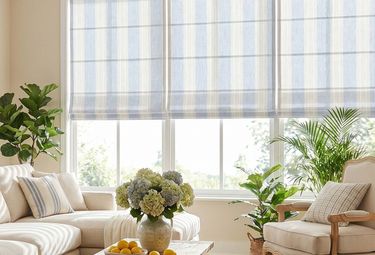
How to Measure Windows for Custom Shades (Step-by-Step Guide)
Measuring windows for custom window shades is straightforward if you follow the right order: first decide between an inside mount or outside mount, then measure width, height, and—if needed—depth in the correct positions. For inside mount shades, width is usually measured in three places and ordered using the smallest number, while height is measured in three places and ordered using the largest. For outside mount shades, the goal is different—you measure the total coverage area rather than only the window opening.
That process sounds simple, but small mistakes can affect how custom fit sun shades look, install, and operate. This guide explains when accurate measurement matters, how inside mount and outside mount measurements differ, what tools to prepare, how to measure step by step, and which common mistakes to avoid before placing an order.
Why Accurate Window Shade Measurement Matters for Custom Window Shades
Custom shades are made to the dimensions you provide. Unlike ready-made window coverings that are manufactured in standard sizes, custom window shades are produced specifically for your window opening or coverage area.
That customization is what makes them look cleaner and perform better—but it also means the measurement step cannot be treated casually.
Accurate measurements matter for several reasons.
First, they affect how the shade fits inside or outside the window frame. A shade that is too narrow may allow excessive light leakage, while a shade that is too wide may not install correctly.
Second, measurement directly affects appearance. Well-fitted custom window shades sit evenly, align properly with the frame, and create the tailored look homeowners expect from a made-to-order product.
Third, correct dimensions influence functionality. Shades need enough clearance to raise and lower smoothly. This is especially important for cordless products, motorized shades, and layered systems such as zebra shades or dual shades.
There is also an energy-efficiency angle. According to the U.S. Department of Energy, windows account for a significant share of heat gain and heat loss in many homes, and properly selected window coverings can help improve comfort and reduce energy waste. A poor fit can reduce those benefits by leaving unnecessary gaps around the edges.
In other words, accurate measurement is not just about ordering the right size. It is also about maximizing privacy, light control, insulation, and long-term satisfaction.
A measurement error can affect more than just size. It may lead to:
- visible light gaps along the sides of the shade
- installation problems if the product is wider than the mounting space
- uneven appearance when the shade does not align cleanly with the frame
- reduced insulation and privacy if outside light or drafts leak around the edges
- extra remake costs or delays if the order has to be corrected after production
Quick Measurement Checklist Before You Start
Before measuring for custom window shades, it helps to confirm a few basics first. Doing this upfront can prevent avoidable errors later in the process, especially if you are measuring multiple windows or comparing inside mount and outside mount options.
Use the checklist below before you start recording any dimensions.
| What to Confirm Before Measuring | Why It Matters |
|---|---|
| Mount type (inside or outside) | It changes how width and height should be measured |
| Shade style | Different products may require different depth or bracket clearance |
| Window obstructions | Handles, cranks, locks, and sensors can affect fit |
| Measuring tool | A steel tape measure is more accurate than a soft tape |
| Unit format | Record all dimensions consistently to the nearest 1/8 inch |
| Manufacturer instructions | Some brands apply factory deductions for inside mount shades |
This quick review is especially useful when ordering custom fit sun shades, motorized shades, blackout shades, or multiple products for different rooms.
Inside Mount vs Outside Mount Window Shades Measurement Guide
Before measuring anything, you need to decide whether your custom window shades will be installed as an inside mount or an outside mount. This decision changes how you measure, how the finished product looks, and how much light control you can expect.
What is an inside mount?
An inside mount shade is installed within the window frame. This creates a built-in, streamlined look that many homeowners prefer for modern interiors.
Inside mount shades are often chosen when:
- the window frame has enough depth for brackets and headrail
- you want a neat, architectural appearance
- you plan to layer shades with curtains later
- you want the trim or molding around the window to remain visible
However, inside mount shades typically allow a small amount of light to pass around the edges because the shade sits inside the frame rather than overlapping it.
What is an outside mount?
An outside mount shade is installed on the wall, molding, or trim outside the window frame. Instead of fitting inside the opening, it covers the window area from the outside.
Outside mount shades are often useful when:
- the window frame is too shallow for an inside mount
- you want better light blocking and privacy
- the window is not perfectly square
- you want to make the window look larger visually
- there are handles, cranks, or obstructions inside the frame
Outside mount products are often a practical choice for bedrooms, media rooms, and windows where improved light control matters.
Quick comparison table
| Measurement Type | Inside Mount | Outside Mount |
|---|---|---|
| Where the shade sits | Inside the window frame | On the wall or trim outside the frame |
| Main look | Clean, built-in, tailored | Fuller coverage, more prominent |
| Width rule | Measure frame opening width in 3 places and use the smallest | Measure coverage width and add overlap |
| Height rule | Measure frame opening height in 3 places and use the largest | Measure total coverage height from top mounting point to desired bottom point |
| Best for | Minimalist look, deeper window frames | Better light blocking, shallow frames, uneven openings |
The key point is simple: do not start measuring until you have chosen the mount type. The same window will produce different order dimensions depending on whether you want an inside mount or an outside mount. Measuring first and deciding later often leads to ordering errors.
Tools Needed for Measuring Custom Fit Window Shades
The measuring process is straightforward, but using the right tools makes it more accurate. You do not need specialized professional equipment, but you should avoid estimating or using flexible sewing tapes.
The most useful tools include:
- Steel tape measure – the most important tool for accurate width, height, and depth measurements
- Step stool or ladder – helpful for tall windows or outside mount top points
- Pencil and notepad – for writing measurements immediately
- Level – useful if you want to confirm whether a frame or trim is noticeably uneven
- Phone camera – optional, but helpful for documenting unusual windows or obstructions before ordering
For homeowners measuring several windows at once, creating a simple chart can save time and reduce confusion. This is particularly helpful when ordering multiple custom window shades in different styles or mount types.
How to Measure Windows for Custom Shades Step by Step
Once you know which mount type you want, you can begin measuring. A steel tape measure is recommended because cloth measuring tapes can bend and reduce accuracy. In most cases, measurements should be recorded to the nearest 1/8 inch. Many measuring guides for shades follow this standard because small differences matter when ordering custom fit sun shades.
Step 1: Confirm the mount type before measuring
Start by confirming whether you are ordering an inside mount or outside mount product. Do not assume one method can be converted to the other later. Inside mount measurements are based on the actual window opening, while outside mount measurements are based on the area you want the shade to cover.
If you are unsure, check the room’s needs first. If your priority is a flush, built-in look, inside mount may be the better choice. If your priority is privacy, room darkening, or covering a shallow frame, outside mount may be more practical.
Step 2: Measure inside mount width
For inside mount custom window shades, measure the inside width of the window frame at three points:
- top
- middle
- bottom
Write down all three measurements, then use the smallest width when placing your order. Window frames are not always perfectly square, so measuring in one place only can create fit problems.
It is also important not to make your own deductions unless the brand specifically instructs you to do so. Many custom shade manufacturers automatically apply a small factory deduction for inside mount products so the shade can fit and operate properly inside the frame.
Step 3: Measure inside mount height
Next, measure the inside height of the window frame at three points:
- left
- center
- right
Record all three measurements, then use the largest height. This helps ensure the finished shade fully covers the opening from top to bottom.
For example, if the three height measurements are 60 1/8", 60 3/8", and 60 1/4", you would generally order the largest number, assuming the product page does not state otherwise.
Step 4: Measure inside mount depth
Depth is often overlooked, but it matters. Some custom window shades require a minimum mounting depth for brackets, headrails, or flush installation.
Measure from the front edge of the window opening back to the glass or any obstruction. If the window has cranks, handles, or protruding hardware, note that as well. If the depth is insufficient, an inside mount may not be suitable even if the width and height seem correct.
This is especially relevant for layered or structured products such as zebra shades, Roman shades, or some cellular shades.
What to do if your window is not perfectly square
It is common for older windows to be slightly uneven. If your width or height measurements vary more than expected, do not panic. That is exactly why you measure in three places.
For inside mount shades, using the smallest width and largest height usually compensates for minor frame irregularities. If the opening is significantly out of square, an outside mount may be a cleaner solution because it hides uneven edges and creates a more symmetrical appearance.
Step 5: Measure outside mount width
For outside mount custom fit sun shades, you are measuring the total coverage area rather than the exact opening.
Start by measuring the width of the window frame or the area you want to cover. Then add overlap on both sides. The amount of overlap depends on the look you want and the shade type, but many brands recommend adding extra width to improve privacy and reduce side light gaps. Outside mount measuring guides commonly suggest extending beyond the window frame rather than matching it exactly.
As a practical rule, homeowners often add a few inches on each side for better coverage, especially for bedrooms or sun-facing windows. This can make a noticeable difference in both privacy and light blocking.
Step 6: Measure outside mount height
For height, measure from the point where the headrail or mounting brackets will be installed down to the desired bottom point of the shade.
This could be:
- just below the window trim
- to the window sill
- below the sill for a taller visual effect
When choosing outside mount height, remember to account for headrail placement and any decorative valance or top treatment. If you want the window to appear taller, you can install the shade slightly above the frame and extend it lower than the sill.
Step 7: Check for obstructions and record measurements clearly
Before finalizing your order, check the window area for anything that could interfere with installation or shade movement:
- handles
- locks
- alarm sensors
- protruding trim
- nearby doors or furniture
Then record all measurements clearly in width × height format. If your home has multiple windows, label each one by room and location rather than relying on memory.
A simple note like “Guest bedroom – left window – inside mount – 34 1/2" × 58 3/4"” can prevent expensive ordering mistakes later.
Common Mistakes When Measuring Window Shades
Most ordering problems happen because of a few common measuring mistakes. The good news is that they are easy to avoid if you know what to watch for.
Measuring only once
A single width or height measurement is not enough for custom window shades. Window frames can be slightly uneven, especially in older homes. Always measure width and height in three places when ordering inside mount products.
Forgetting to measure depth
Depth is one of the most commonly missed measurements. A shade may technically fit the opening in width and height but still fail to install properly if the frame is too shallow.
Using the wrong number for inside mount
For inside mount, width and height are not treated the same way. The standard rule is to use the smallest width and the largest height. Mixing those up can create ordering problems.
Subtracting deductions yourself without checking brand instructions
Many manufacturers already make inside mount deductions at the factory. If you subtract extra width yourself, the final product may end up too narrow. Always read the brand’s measuring instructions before adjusting anything manually.
Ignoring obstructions
Window cranks, handles, and alarm sensors can affect whether a shade will sit properly. This matters for both manual and motorized products.
Confusing window opening size with desired coverage size
This mistake is especially common with outside mount shades. Outside mount is not measured the same way as inside mount. You are not measuring only the opening—you are measuring the total area you want the shade to cover.
When to Recheck Your Measurements
Before placing an order, recheck every measurement at least once. If possible, measure each window twice on separate passes rather than trying to verify everything in one rushed session.
A second check is especially important when:
- ordering motorized shades
- measuring bay windows or unusually shaped windows
- ordering blackout shades where light gaps matter more
- mixing inside mount and outside mount products in the same home
- ordering several rooms at once
Taking an extra ten minutes to verify measurements is far easier than dealing with a remake later.
Conclusion
Measuring for custom window shades is a simple process when it is done in the right order: choose the mount type first, measure carefully in multiple positions, confirm depth and obstructions, and double-check every number before ordering. Those extra few minutes can make a major difference in how the finished shades fit, function, and look in your home.
Whether you’re shopping for roller shades, zebra shades, Roman shades, cellular shades, or custom fit sun shades, accurate measurements are the foundation of a clean, tailored result. For homeowners who want made-to-measure window coverings with a wide range of styles and options, ULAECY offers custom shades designed to combine fit, functionality, and everyday comfort.
It is possible that you also want to know:
Inside Mount vs Outside Mount: Which One Should I Choose for My Window Shade?
How to Install Window Shades: A Step-by-Step Guide for Effortless Style and Comfort
How Many Types of Window Shades Are There? A Complete Guide for Homeowners
Get new arrivals, home design ideas, and exclusive member-only offers.
Contact

If you contact us outside business hours, please send us an email. We typically reply within 24 hours.
Available Hours:
Mon-Fri: 9:00 AM-5:00 PM (EST)
Sat-Sun: 10:00 AM-5:00 PM (EST)
©2026 ULAECY All Rights Reserved.