


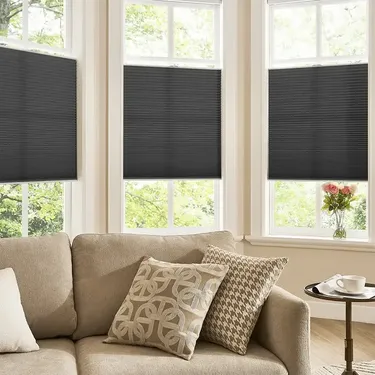
Top 5 Window Shade Trends for Modern Homes in 2026
The leading window shade trends 2026 are centered on five practical directions: smarter operation, minimalist customization, natural-looking materials, better solutions for large windows, and flexible light control. For homeowners planning a modern interior, modern window shades are no longer chosen only for their appearance; privacy, daylight, energy performance, convenience, and room function all influence the decision.
These trends also show why custom window shades are becoming increasingly relevant. Different rooms and window sizes require different levels of light control and privacy, so the most suitable window treatment is usually the one that balances visual simplicity with the specific needs of the space.
Smart Motorized Window Shades as a 2026 Trend
Motorized operation is one of the most noticeable window shade trends 2026, particularly in homes that already use connected lighting, thermostats, security systems, or voice assistants. Instead of adjusting each shade manually, homeowners can control multiple window coverings together using a remote, app, scheduled routine, or compatible smart-home system.
The practical value becomes more apparent when a home has numerous windows or hard-to-reach glazing. In a large living room, for example, synchronized operation can raise or lower several shades at once. In bedrooms, scheduled operation can also help regulate morning light without requiring manual adjustment immediately after waking.
Smart-home compatibility is another factor to consider. Matter, an industry standard developed to improve interoperability among connected-home products, is designed to make devices from different manufacturers work more consistently across supported ecosystems. For homeowners, this means compatibility may matter as much as the motor itself when selecting motorized shades.
However, automation does not automatically make a shade suitable for every room. Buyers should still evaluate battery life, charging requirements, noise level, control methods, installation requirements, and whether the shade provides the necessary degree of privacy or light control.
Minimalist Custom Window Shades in Modern Interiors
Minimalist interiors generally benefit from window treatments with clean profiles and restrained visual details. Instead of becoming the focal point of a room, shades can blend with walls, furniture, and architectural lines while quietly performing their functional role.
This is one reason custom window shades are useful in contemporary homes. Windows are rarely identical across every room, and even small differences in width, height, or mounting conditions can affect the final appearance. Custom sizing can help reduce unnecessary gaps and create a more consistent look across a window wall.
Roller shades are particularly compatible with minimalist interiors because their relatively simple construction creates a streamlined appearance. Roman shades provide a softer alternative, using fabric folds to add texture without introducing complicated patterns.
Color and hardware also influence the result. Neutral fabrics, cordless designs, and discreet mounting systems can help maintain the uncluttered appearance associated with modern interiors. For homeowners who want warmth rather than an overly stark aesthetic, subtle linen textures can introduce visual depth while retaining a simple overall profile.
Another consideration is installation. No-drill shades can be useful in rental properties or situations where homeowners want to minimize alterations to the window frame. The right installation method should ultimately depend on the window structure, shade weight, and manufacturer requirements.
Eco Friendly Fabric Trends in Window Shades
Material selection is becoming a more considered part of interior design. However, an “eco-friendly” label alone does not establish that a window shade has a lower environmental impact. Material composition, manufacturing processes, durability, maintenance, packaging, transportation, and product lifespan all influence the broader picture.
For 2026, one practical direction is the continued popularity of natural-looking fabrics and textures. Linen and linen-blend materials can work particularly well in modern interiors because their irregular texture adds warmth while remaining visually understated.
Durability is also important. A shade that maintains its appearance and functionality for many years can reduce the need for frequent replacement. Homeowners should therefore look beyond the initial material impression and consider whether the fabric is appropriate for the room's exposure to sunlight, humidity, daily use, and cleaning requirements.
When comparing fabric options, four factors are particularly useful:
- Material composition: Determine whether the fabric is natural, synthetic, or blended.
- Durability: Consider how the material will perform under regular use and sunlight exposure.
- Light performance: Match the fabric to the room's requirements for filtering, privacy, or blackout.
- Physical samples: Compare actual fabric texture and color under the home's natural and artificial lighting.
These considerations make fabric selection more objective and reduce the risk of choosing a material based solely on online photographs.
Large Window Shade Solutions for Modern Homes
Floor-to-ceiling glass and expansive windows are common features in contemporary architecture, but they can create challenges involving glare, privacy, solar heat, and daily operation. The ideal solution depends on how the room is used and how much daylight the homeowner wants to retain.
For a living room facing a garden or city view, light-filtering or screen-style shades can soften incoming sunlight without completely blocking the view. A bedroom may require a darker treatment, particularly when early morning light or street lighting affects sleep.
Cellular shades can be another consideration where insulation is important. Their honeycomb structure creates air pockets within the shade, which can contribute to reducing heat transfer through the window. For large openings, motorization can also make daily operation more convenient, especially when several shades need to be adjusted together.
The main shade categories can be compared as follows:
| Shade Type | Light Control | Suitable Spaces | Main Benefit |
| Roller Shades | Light filtering to blackout | Living rooms, bedrooms, large windows | Clean and streamlined appearance |
| Cellular Shades | Light filtering to blackout | Bedrooms, offices, large windows | Supports insulation and privacy |
| Roman Shades | Light filtering to blackout | Bedrooms, living rooms | Adds softness and fabric texture |
| Zebra Shades | Adjustable | Living rooms, offices, bedrooms | Balances daylight and privacy |
| Dual Shades | Flexible by layer | Large and multifunctional rooms | Combines different light-control levels |
The U.S. Department of Energy notes that window coverings can help manage unwanted solar heat gain, while daylight and glare should also be considered when selecting window treatments. This makes large-window shading both an interior-design decision and a functional performance decision.
Dual Layer and Zebra Shades Design Trends
Flexible light control is another important development in modern window shades. Traditional shades often require homeowners to choose between a relatively open position and a fully covered position. Dual-layer and Zebra designs offer more intermediate possibilities.
Zebra shades use alternating translucent and opaque bands. When the bands overlap differently, the shade can provide varying degrees of daylight and privacy without requiring a completely different window treatment.
Dual shades approach the same problem through separate layers with different functions. A light-filtering layer can soften daylight during the day, while a more opaque layer can provide stronger privacy or darkness when needed.
This makes layered shades particularly suitable for multifunctional spaces. A home office may require daylight during working hours but reduced glare when viewing a monitor. A living room may benefit from an open, bright atmosphere during the afternoon and greater privacy after sunset.
The design advantage is equally important. Layered shades can create subtle changes in texture and opacity without adding busy patterns. As a result, they work well with minimalist furniture, natural materials, and contemporary architectural details.
Color Trends in Custom Window Shades for 2026
Color trends for custom window shades are becoming more flexible rather than being dominated by one particular shade. Modern interiors continue to favor warm neutrals, while muted greens, blues, earthy tones, and other understated colors provide alternatives for homeowners who want more character.
Warm white, ivory, beige, taupe, and wheat tones can coordinate easily with wood flooring, stone surfaces, and neutral upholstery. These colors are particularly useful when the goal is to make the window treatment visually integrate with the room rather than stand out.
Darker colors can create stronger architectural definition around large windows. Deep navy, muted green, charcoal, and other low-saturation colors may work particularly well when the surrounding interior already contains complementary tones.
However, color should never be evaluated independently from fabric. The same color can appear different depending on weave, opacity, surrounding surfaces, and natural light. A fabric sample is therefore more reliable than an online image when making the final decision.
For a cohesive interior, homeowners can compare the shade against flooring, wall paint, upholstery, and major furniture pieces at different times of day. This simple step can prevent a color from appearing unexpectedly warm, cool, bright, or dark after installation.
Conclusion: Future of Window Shade Design Trends
The most useful window shade trends 2026 are ultimately about making window treatments more adaptable to modern living. Smart operation improves convenience, minimalist profiles reduce visual clutter, natural textures add warmth, and layered or specialized designs provide greater control over daylight and privacy.
For homeowners looking for modern window shades and custom window shades across these different needs, ULAECY offers options including motorized, Roman, roller, cellular, Zebra, dual-layer, blackout, light-filtering, and no-drill shades, making it a brand worth considering for a customized modern window-treatment solution.
Get new arrivals, home design ideas, and exclusive member-only offers.
Contact

If you contact us outside business hours, please send us an email. We typically reply within 24 hours.
Available Hours:
Mon-Fri: 9:00 AM-5:00 PM (EST)
Sat-Sun: 10:00 AM-5:00 PM (EST)
©2026 ULAECY All Rights Reserved.