


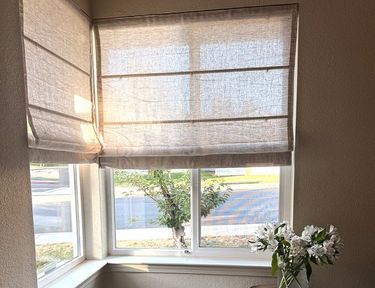
Motorized vs Cordless Window Shades: Which One Should You Choose?
Choosing between motorized window shades and cordless window shades depends on how you use your home. If you value smart home automation, remote control, and maximum convenience, motorized shades are usually the better option. If you prefer a simple, budget-friendly, and child-safe solution, cordless shades remain an excellent choice for everyday living.
Both options eliminate exposed lift cords, creating a cleaner appearance and improving household safety. This guide compares their operation, safety, convenience, smart home compatibility, costs, and ideal applications, helping you confidently choose the right window shades for your lifestyle.
Motorized Window Shades vs Cordless Shades Explained
Both cordless and motorized shades eliminate exposed lift cords, creating a cleaner appearance and reducing potential hazards. However, they operate in different ways and are designed for different user needs.
Cordless window shades use an internal spring or tension mechanism. Homeowners simply raise or lower the bottom rail by hand, making them easy to operate without cords or chains. They are commonly available in cellular shades, roller shades, Roman shades, and zebra shades.
Motorized window shades use an integrated electric motor powered by a rechargeable battery pack, replaceable batteries, or a wired power supply. Instead of manually adjusting the shade, users control movement through a remote, smartphone app, wall switch, or voice assistant.
The table below summarizes the major differences.
| Feature | Cordless Window Shades | Motorized Window Shades |
|---|---|---|
| Operation | Manual push or pull | Remote, app, voice, or scheduled control |
| Power Source | Manual | Battery or wired motor |
| Child Safety | Excellent | Excellent |
| Smart Home Compatibility | No | Yes |
| Best For | Everyday residential use | Large windows, smart homes, hard-to-reach windows |
| Initial Cost | Lower | Higher |
Although both options remove dangling cords, the choice largely depends on how much automation and convenience you expect from your window treatments.
Safety Benefits of Cordless Cellular Shades for Homes
Safety is one of the biggest reasons homeowners replace traditional corded blinds. Organizations such as the U.S. Consumer Product Safety Commission have long advised eliminating accessible window cords in homes with young children because cords can create strangulation hazards.
Since the voluntary safety standard for custom window coverings took effect in the United States, cordless products have become the preferred solution for households with young children, further accelerating their adoption across the industry.
Cordless cellular shades address this concern by removing exposed operating cords altogether. Instead, the shade is adjusted directly from the bottom rail, reducing potential risks while maintaining a clean appearance.
For many families, cordless cellular shades provide several practical advantages:
- No dangling lift cords.
- Easier daily operation for children and adults.
- Cleaner, more modern window appearance.
- Lower maintenance due to fewer exposed moving parts.
Besides improving safety, the honeycomb structure of cellular shades also creates insulating air pockets that help reduce heat transfer through windows. This combination of safety and energy efficiency makes cordless cellular shades one of the most popular window treatment choices for bedrooms, nurseries, and family living spaces.
How Motorized Window Shades Improve Convenience and Smart Control
While cordless shades simplify manual operation, motorized window shades focus on convenience through automation.
With a single button press—or even a voice command—multiple shades can move simultaneously. This feature becomes especially valuable for tall windows, wide patio doors, skylights, or windows positioned behind furniture where manual adjustment is inconvenient.
Motorized systems also improve consistency. Instead of adjusting shades individually throughout the day, homeowners can create scheduled routines that automatically open in the morning and close in the evening. Besides convenience, scheduled operation can help manage glare, improve indoor comfort, and support privacy throughout the day.
For example, homeowners can schedule bedroom shades to open gradually with the sunrise, automatically lower living room shades during the hottest afternoon hours, or close every shade before bedtime with a single command. These routines reduce daily manual adjustments while creating a more comfortable indoor environment.
Motorized shades are particularly useful for:
- Large or oversized windows.
- Hard-to-reach window locations.
- Homes with multiple windows in one room.
- Home offices requiring consistent daylight management.
- Modern smart home environments.
Although automation requires a higher initial investment, many homeowners find the daily convenience worthwhile, especially when several shades operate together.
Smart Home Integration in Motorized Shades Systems
One of the defining advantages of motorized window shades is their ability to integrate with today's smart home ecosystems.
Many modern systems can connect with platforms such as Amazon Alexa, Google Home, Apple HomeKit, and other home automation systems, allowing users to operate shades alongside lighting, thermostats, and security devices.
Voice Control, Scheduling, and Remote Access
Depending on the motor system, homeowners may be able to:
- Open or close shades using voice commands.
- Schedule automatic daily routines.
- Control shades remotely while away from home.
- Group multiple shades into a single scene.
- Coordinate shades with sunrise, sunset, or room occupancy.
This level of automation not only improves convenience but can also contribute to better energy management by reducing unnecessary solar heat gain during warmer periods.
Cost Difference Between Cordless and Motorized Window Shades
Price is often one of the first factors buyers consider.
Cordless shades generally have a lower purchase price because they use mechanical lifting systems rather than electronic motors and control components. Installation is also relatively straightforward.
Motorized window shades typically cost more because each unit includes a motor, power source, control system, and, in many cases, smart home compatibility. Additional accessories such as hubs or gateways may also be required depending on the automation platform.
Comparing Long-Term Value Beyond the Purchase Price
Although motorized shades involve higher upfront costs, long-term value should also be considered.
For example, automated scheduling can help manage sunlight more consistently, potentially reducing excessive solar heat gain during summer months while improving indoor comfort. In addition, easier operation may encourage homeowners to use their shades more frequently, maximizing privacy and daylight control.
Rather than focusing only on initial purchase price, buyers should evaluate expected usage, window accessibility, convenience requirements, and future smart home plans.
Which Window Shades Work Best for Families and Kids
There is no universal answer because different households have different priorities.
For families with young children, cordless cellular shades remain one of the safest and most practical options due to their simple operation and absence of exposed cords.
However, motorized shades also provide excellent child safety while offering additional convenience. Parents can adjust every shade in the home without children needing to reach windows, making automation particularly attractive for larger homes.
A simplified recommendation looks like this:
| Homeowner Priority | Recommended Shade Type |
|---|---|
| Lowest initial cost | Cordless shades |
| Child safety | Cordless or Motorized |
| Smart home automation | Motorized shades |
| Large or tall windows | Motorized shades |
| Daily convenience | Motorized shades |
| Energy-efficient cellular design | Cordless cellular shades or Motorized cellular shades |
Ultimately, both systems eliminate traditional cords, making either option significantly safer than older corded blinds.
Conclusion
Choosing between motorized window shades and cordless shades ultimately comes down to your home's needs. If convenience, automation, and smart home integration are your priorities, motorized shades offer exceptional everyday functionality. If affordability, simplicity, and child safety matter most, cordless shades remain one of the best all-around window treatment options available.
Whether you're furnishing a new home or upgrading existing window coverings, ULAECY offers a wide range of custom motorized and cordless shades designed to combine safety, energy efficiency, premium materials, and modern design for every room.
Get new arrivals, home design ideas, and exclusive member-only offers.
Contact

If you contact us outside business hours, please send us an email. We typically reply within 24 hours.
Available Hours:
Mon-Fri: 9:00 AM-5:00 PM (EST)
Sat-Sun: 10:00 AM-5:00 PM (EST)
©2026 ULAECY All Rights Reserved.