

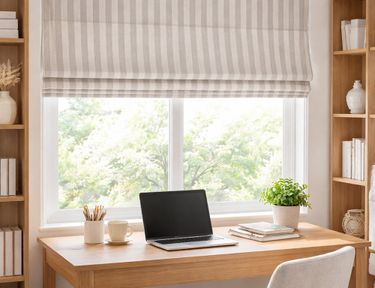
In the era of smart home integration, motorized window shades have transitioned from a luxury reserved for high-end hotels to a must-have feature for modern homeowners. They offer unparalleled convenience, energy efficiency, and a touch of futuristic elegance. However, the most common question for those looking to upgrade their window treatments is: how much do motorized window shades cost?
The truth is that pricing for motorized shades is not a one-size-fits-all figure. It varies significantly based on the size of your windows, the fabric choice, the motor type, and the level of smart integration you desire. In this comprehensive guide, we will break down the costs associated with motorized window treatments to help you budget for your home automation project.
Understanding the Base Costs: Manual vs. Motorized
To understand the pricing, we must first look at the components. A motorized shade is essentially a high-quality window treatment equipped with an internal motor and a power source. On average, you can expect to pay anywhere from $200 to $1,000 per window.
While a standard manual shade might cost between $50 and $150, the "motorization premium" typically adds $150 to $600 per unit. This premium covers the motor itself, the remote control or hub, and the specialized hardware required for automated movement.
The Breakdown of Component Costs:
- The Shade Fabric/Structure: $50 – $500 (Depending on material and size)
- The Motor Unit: $100 – $400 (Depending on brand and torque)
- Power & Control (Hub/Remote): $30 – $250
Key Factors That Influence the Cost
When calculating how much do motorized window shades cost, several variables will dictate whether you land on the lower or higher end of the spectrum.
1. The Motor Type and Brand
The motor is the heart of the system. Entry-level motors that operate via a simple remote are more affordable. However, if you opt for whisper-quiet motors or those from renowned brands like Somfy or Lutron, the price increases. High-end motors offer smoother transitions and longer lifespans, making them a better long-term investment.
2. Power Source Options
How your shades get power will affect both the upfront cost and the installation complexity:
- Battery-Powered: These are the most common and easiest to install. They use reloadable battery wands or built-in rechargeable lithium-ion batteries. Cost: $150–$300 extra per shade.
- Hardwired (DC Power): Ideal for new constructions. These shades are wired directly into your home’s electrical system. While the shades themselves are priced similarly to battery versions, the electrician’s labor can add $200–$500 per window.
- Solar-Powered: Some shades use a small solar panel mounted behind the fabric to trickle-charge the battery. This adds about $50–$100 to the initial cost but saves on maintenance.
3. Fabric and Material Quality
The "shade" part of the motorized shade matters just as much as the motor. Basic polyester or synthetic rollers are budget-friendly. However, if you are looking for specialized materials like thermal-insulated fabrics, blackout liners, or natural fibers, the price will rise.
For those who prioritize aesthetics and a soft, organic feel in their interior design, high-quality linen is often the gold standard. If you are looking to combine the classic beauty of traditional window treatments with modern functionality, the Lambert Linen Roman Shades offer a sophisticated aesthetic that pairs beautifully with motorized systems, providing a timeless look that conceals the high-tech components within.
4. Smart Home Integration
Do you want to control your shades with a dedicated remote, or do you want to say, "Alexa, close the blinds"? Integration with smart hubs usually requires a "Bridge" or "Gateway." These hubs typically cost between $50 and $250, depending on the brand.
Installation Costs: DIY vs. Professional
When asking how much do motorized window shades cost, don't forget the labor.
- DIY Installation: Many modern smart shade brands are designed for "plug-and-play" installation. If you are comfortable using a drill and following an app-based setup, you can save $50–$150 per window in labor costs.
- Professional Installation: For large homes or hardwired systems, professional installation is recommended. Pros ensure the shades are perfectly level (crucial for motor longevity) and that the Wi-Fi signal reaches every unit.
Long-Term Value and ROI
While the initial investment might seem steep, motorized shades offer several ways to recoup costs over time:
- Energy Efficiency: By programming your shades to close during the hottest part of a summer day, you can reduce cooling costs by up to 30%.
- UV Protection: Automation allows you to protect expensive furniture, flooring, and artwork from sun damage by ensuring shades are closed when the sun is at its peak.
- Home Value: Much like smart thermostats, automated window treatments are a "wow" factor for potential buyers, often increasing the resale value of a property.
FAQ: Common Questions About Motorized Shades
Are motorized shades worth the cost?
Yes, for most homeowners, the benefits far outweigh the initial price tag. Beyond the "cool factor," they provide essential accessibility for hard-to-reach windows (like those in double-height foyers or behind bathtubs). They also enhance home security by simulating occupancy while you're away. If you have a large number of windows, the time saved daily by not having to manually adjust each one is significant. Furthermore, the precise control over natural light helps regulate indoor temperatures, leading to lower utility bills.
What is the life expectancy of motorized blinds?
On average, high-quality motorized blinds have a life expectancy of 5 to 10 years, though many well-maintained units can last up to 15 years. The lifespan depends heavily on the motor quality and frequency of use.
- Battery Life: Rechargeable batteries typically need a boost every 6 to 12 months.
- Motor Durability: Leading brands design their motors for roughly 10,000 to 15,000 cycles (one cycle is one full up-and-down movement).
To maximize their lifespan, ensure the shades are professionally leveled so the motor doesn't have to work harder than necessary due to friction or misalignment.
How to Save Money on Your Project
If you are on a budget, consider these strategies:
- Prioritize Specific Rooms: Focus on the master bedroom (for better sleep) and the living room (for glare control).
- Choose Battery Over Hardwired: Avoid the cost of an electrician by opting for rechargeable battery motors.
- Mix and Match: Use motorized shades for high windows and manual ones for those within easy reach.
Final Thoughts on Budgeting
The answer to how much do motorized window shades cost ultimately depends on your balance of style and technology. A single motorized roller shade in a guest bedroom might only cost you $250, while a fully integrated, custom-fabric Roman shade for a large living room window could exceed $800.
Investing in quality window treatments is an investment in your home’s comfort and functionality. Whether you are looking for the sleek lines of a roller shade or the textured elegance of a Roman fold, the convenience of motorization is a game-changer for any modern living space. At Ulaecy, we specialize in providing high-quality, stylish window solutions that bring both beauty and innovation to your home, ensuring your windows look as good as they perform.