


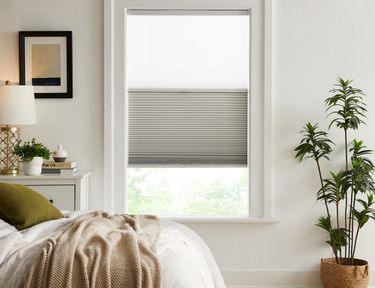
Are Cellular Shades Energy Efficient?
Yes, cellular shades are considered one of the most energy-efficient window covering options available for residential spaces. Their honeycomb-shaped structure helps reduce heat transfer through windows, which can improve indoor comfort throughout the year.
Many homeowners want to know whether these shades genuinely reduce energy loss or if the benefits are mostly marketing claims. In practice, the insulating air pockets inside cellular fabrics can help minimize temperature fluctuations near windows, especially in rooms with strong sun exposure or colder outdoor conditions.
Because windows are one of the primary areas where heat enters or escapes a home, choosing the right window treatment can make a noticeable difference. This is why cellular shades for windows continue to grow in popularity among homeowners looking for both comfort and efficiency.
How Cellular Shades Improve Energy Efficiency
The main reason cellular shades are considered energy efficient is their internal honeycomb structure. Unlike flat blinds or simple curtains, cellular fabrics trap air inside layered pockets.
These pockets act as insulation barriers between the room and the window surface.
During warmer months, the shades can help reduce solar heat entering the room. During colder seasons, they may help slow indoor heat loss through the glass.
This insulation effect is why many homeowners asking are cellular shades worth it often focus on long-term comfort rather than appearance alone.
Why Windows Affect Indoor Temperature
Windows are often one of the least insulated parts of a home. Even high-quality glass can allow heat transfer through sunlight exposure and outdoor temperature changes.
Cellular shades help by:
- Reducing direct sunlight penetration
- Limiting heat exchange near the window
- Creating a layer of trapped insulating air
- Improving overall indoor temperature consistency
Compared with some traditional blinds, cellular shades for windows are specifically designed to support thermal efficiency.
Single Cell vs Double Cell Construction
Not all cellular shades provide the same insulation performance.
The number of air pockets inside the shade affects how much insulation the material can provide.
Single Cell Shades
Single cell designs contain one layer of honeycomb pockets. These shades are lighter and often more affordable.
They can still improve energy efficiency compared with standard blinds, especially in moderate climates.
Double Cell Shades
Double cell systems include two layers of air pockets for additional insulation.
Because of the extra structure, many homeowners choose double cell options for bedrooms, living rooms, or areas with stronger temperature changes.
Double cell shades may also help slightly reduce outside noise while improving light control.
Light Control and Indoor Comfort
Energy efficiency is closely connected to light management.
Sunlight entering through windows can quickly increase indoor temperatures, particularly during summer afternoons. Cellular shades help diffuse or block sunlight depending on the fabric type selected.
- Common Opacity Options
- Light-filtering cellular shades
- Room-darkening cellular shades
- Blackout cellular shades
For bedrooms or media rooms, blackout cellular shades for windows may help improve both temperature control and privacy.
In living rooms or kitchens, light-filtering materials often provide a softer balance between natural light and glare reduction.
The ability to combine insulation and light control is one reason many homeowners believe cellular shades are worth it for daily comfort.
Cordless and Motorized Options
Modern cellular shades are available in cordless and motorized systems that improve convenience and safety.
Cordless designs remove hanging cords, creating a cleaner appearance while reducing child safety concerns.
Motorized cellular shades allow users to adjust window coverings through remotes, smartphone apps, or voice assistants.
Advantages of Motorized Cellular Shades
- Easier operation for large windows
- Smart home automation compatibility
- Scheduled light control throughout the day
- More consistent shade positioning
As smart home technology becomes more common, many energy-conscious homeowners are pairing automated systems with cellular shades for windows to better manage sunlight exposure.
How Effective Are Cellular Shades in Different Rooms?
The effectiveness of cellular shades often depends on where they are installed.
Bedrooms with strong morning sunlight may benefit from blackout double-cell fabrics. Living rooms with large west-facing windows may require better heat reduction during the afternoon.
Smaller rooms can also feel more comfortable because cellular fabrics help reduce temperature fluctuations near the glass.
Common Room Applications
- Bedrooms for better sleep comfort
- Living rooms with large windows
- Home offices with glare reduction needs
- Nurseries requiring softer indoor lighting
When homeowners ask how effective are cellular shades, the answer often depends on climate conditions, window direction, and fabric selection.
Installation Quality Matters
Even high-quality cellular shades may not perform efficiently if they are installed incorrectly.
Improper measurements or gaps around the edges can reduce insulation performance and allow more light leakage.
Important Installation Factors
- Accurate window measurements
- Inside mount vs outside mount selection
- Proper bracket positioning
- Consistent fit across the frame
Custom-fit cellular shades for windows generally provide better insulation because they minimize air gaps around the window area.
Professional installation may also help improve long-term shade operation for larger or motorized systems.
Maintenance and Long-Term Durability
Cellular shades are relatively low maintenance compared with some fabric window treatments.
Regular dusting or light vacuuming is usually enough to keep them clean. Many modern cellular fabrics are also designed to resist sagging or stretching over time.
Maintenance Tips
- Use a soft brush attachment when vacuuming
- Avoid excessive moisture exposure
- Clean stains gently with mild soap solutions
- Recharge motorized systems periodically if applicable
For homeowners wondering are cellular shades worth it, long-term durability is often part of the value calculation.
Well-made cellular shades can maintain both appearance and insulation performance for years with basic care.
Energy Savings and Seasonal Performance
Although actual savings vary by climate and home design, energy-efficient window treatments can contribute to lower heating and cooling demands.
Cellular shades help stabilize indoor conditions by reducing heat gain in summer and limiting heat loss in winter.
Seasonal Benefits
- Cooler indoor spaces during hot afternoons
- Reduced sunlight glare
- Improved warmth retention in colder months
- More consistent room temperatures
Because windows account for a significant portion of household energy transfer, insulating window treatments can support broader energy-saving strategies.
This is one reason why many homeowners continue researching how effective are cellular shades before upgrading their window coverings.
Are Cellular Shades Worth It?
For many homeowners, the answer is yes.
Cellular shades combine insulation, light control, privacy, and modern design in a way that standard blinds often cannot fully provide.
While the upfront cost may be higher than basic window coverings, the long-term comfort benefits can make them a practical investment.
Factors to Consider Before Buying
- Climate and seasonal temperatures
- Window size and sunlight exposure
- Desired light control level
- Motorized or cordless preferences
- Budget and customization needs
For homeowners prioritizing comfort and energy performance, cellular shades for windows are often viewed as one of the more functional modern window treatment options available.
Conclusion
So, are cellular shades energy efficient? In most cases, yes. Their honeycomb structure helps reduce heat transfer, improve indoor comfort, and support better temperature control throughout the year.
Understanding insulation performance of cellular blinds and evaluating factors like fabric type, cell construction, and installation quality can help homeowners choose the right solution for their space.
For those exploring practical and modern window coverings, ULAECY offers a range of custom cellular shade options designed to balance energy efficiency, light control, and everyday functionality for different room styles and needs.
Get new arrivals, home design ideas, and exclusive member-only offers.
Contact

If you contact us outside business hours, please send us an email. We typically reply within 24 hours.
Available Hours:
Mon-Fri: 9:00 AM-5:00 PM (EST)
Sat-Sun: 10:00 AM-5:00 PM (EST)
©2026 ULAECY All Rights Reserved.